
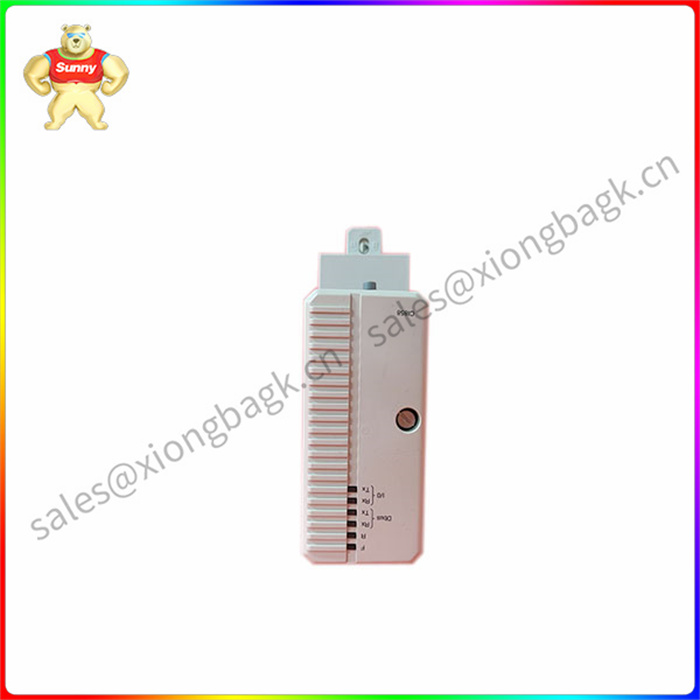
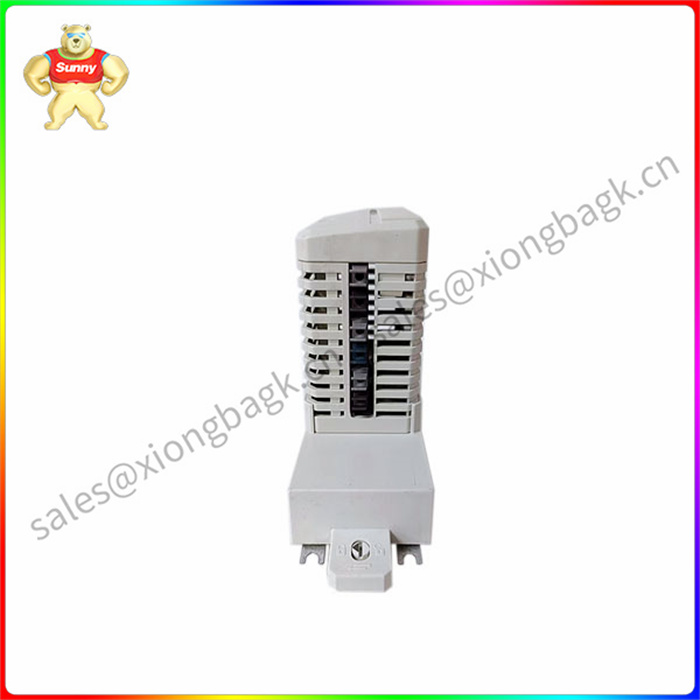
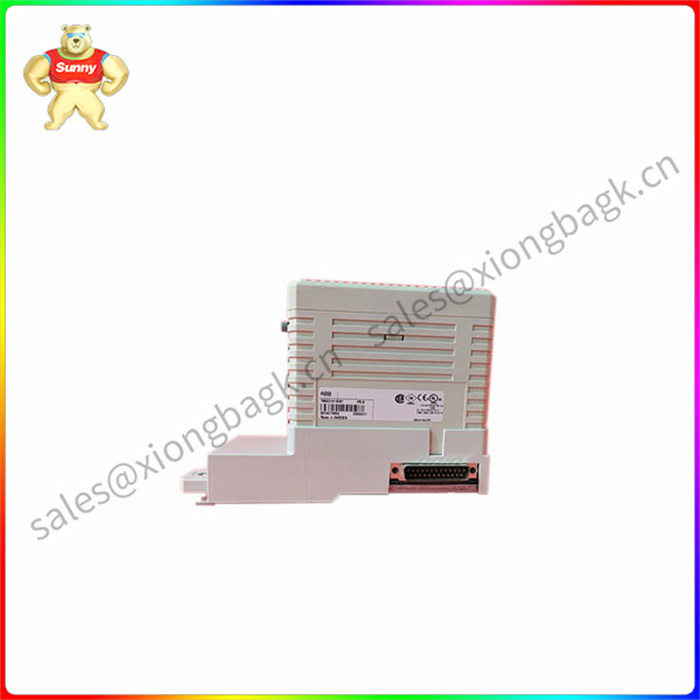
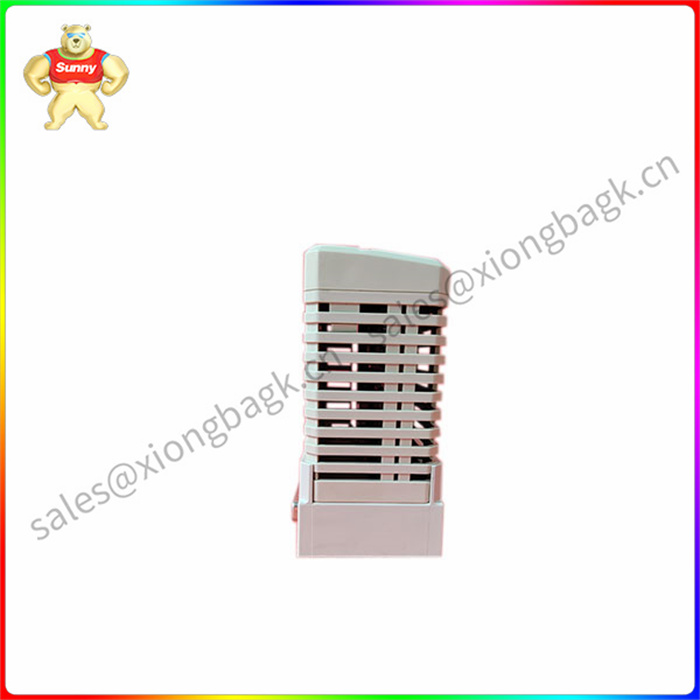
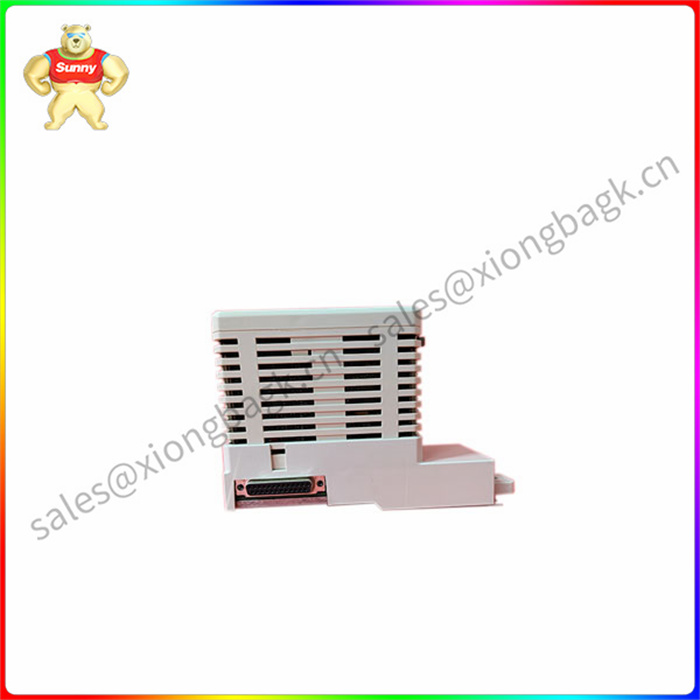
ABB CI858K01 3BSE018135R1 控制模块
现场仪表和面板仪表的位置是它们之间的主要区别。现场使用的仪器通常位于现场外,靠近被监测或控制的过程。相比之下,面板仪表通常位于控制台或控制面板上,远离被监视或控制的过程。
这两种不同类型的仪器接收到的信号类型是一个重要的附加区别。温度、压力、流速和液位只是现场仪表可以测量和传输的过程变量的几个例子。它们通常内置传感器,可将物理参数转换为可发送到控制室的电信号。根据设备的类型,信号可能是数字的或模拟的。
现场仪表需要采用以下信号类型:2 线、4–20 mA 模拟输入/输出。使用数字输入:Potential Free contact。. 24 VDC 数字输出。平台控制系统必须为控制系统和其他面板之间的信号供电。带有 NAMUR 接口的接近开关就位。0.2 到 1.0 barg 是气动信号。如果该概念显示成本节约并满足快速响应的需要,则通过仪表现场总线进行数字通信是一种选择。
虽然面板仪表旨在显示和/或调节过程变量,但它们也接收来自现场仪表的信号。该信号可以采用电压、电流或数字信号的形式。指示器、记录器、控制器和显示器都是面板仪表的例子。
这两种不同类型的工具的复杂程度是一个显着的区别。由于它们必须能够承受极 端环境条件并提供准确一致的数据,因此现场仪器通常比面板设备更先进。它们经常用于在危险场所、腐蚀性条件或高温下运行。温度传感器、压力变送器、流量计和液位传感器是现场仪表的几种类型。
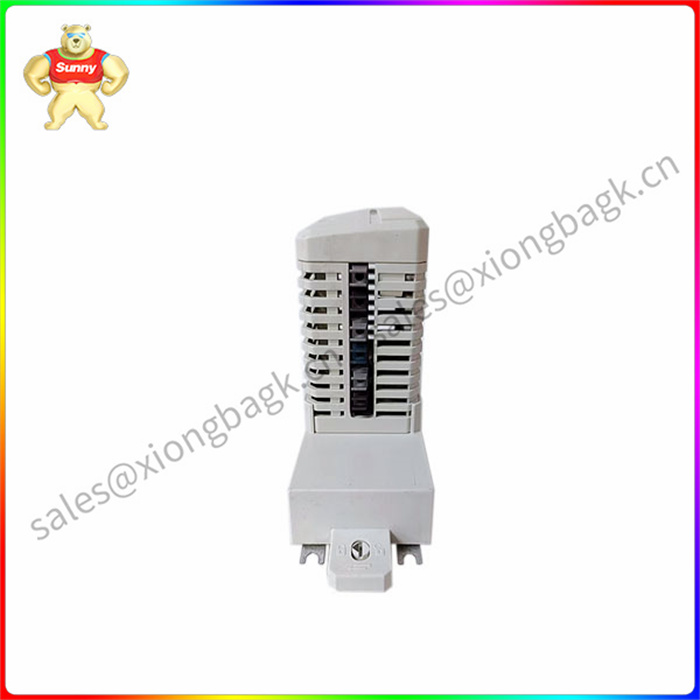
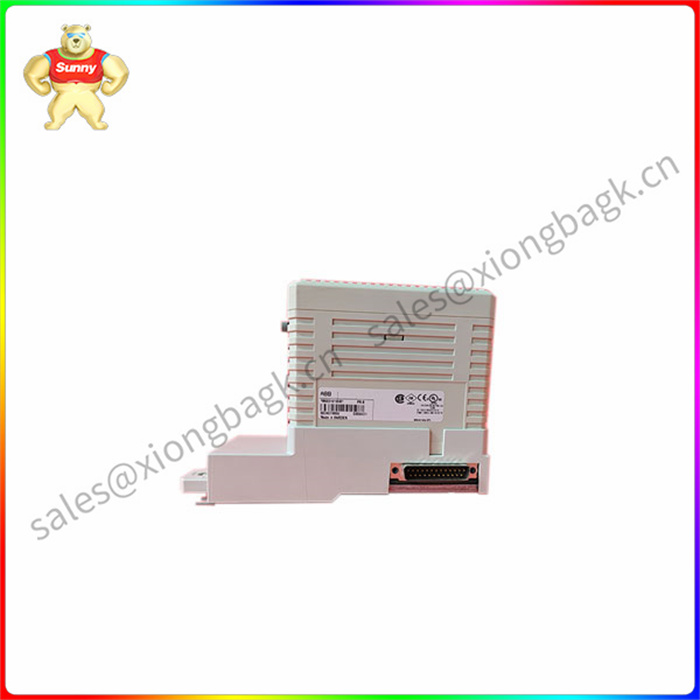
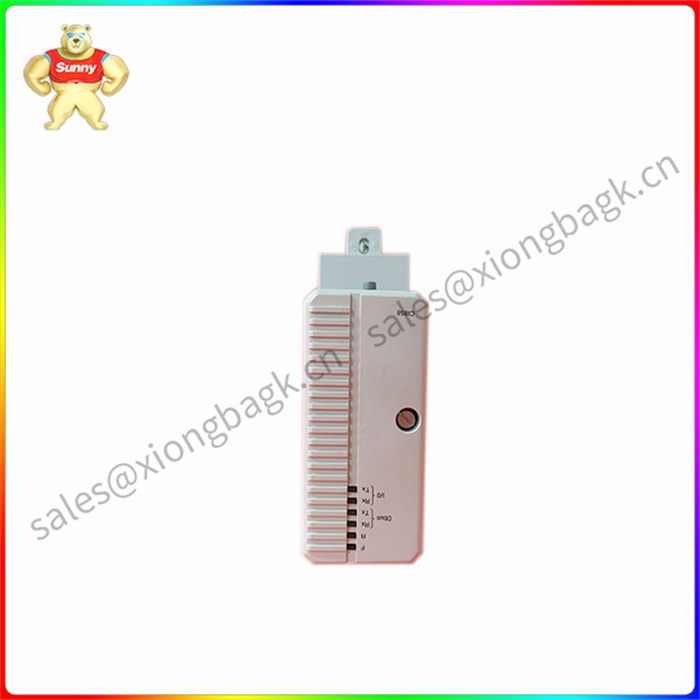
ABB CI858K01 3BSE018135R1 控制模块
The location of field meters and panel meters is the main difference between them. Instruments used in the field are usually located off-site, near the process being monitored or controlled. In contrast, panel meters are usually located on a console or control panel, away from the process being monitored or controlled.
The type of signal received by these two different types of instruments is an important additional distinction. Temperature, pressure, flow rate, and level are just a few examples of process variables that field meters can measure and transmit. They typically have built-in sensors that convert physical parameters into electrical signals that can be sent to the control room. Depending on the type of device, the signal may be digital or analog.
Field meters require the following signal types: 2-wire, 4-20 mA analog input/output. Use numeric input: Potential Free contact. 24 VDC digital output. The platform control system must power signals between the control system and other panels. Proximity switch with NAMUR interface in place. 0.2 to 1.0 barg is a pneumatic signal. If the concept shows cost savings and meets the need for fast response, digital communication via an instrument fieldbus is an option.
While panel meters are designed to display and/or regulate process variables, they also receive signals from field meters. The signal can take the form of a voltage, current or digital signal. Indicators, recorders, controllers, and displays are examples of panel instruments.
The complexity of these two different types of tools is a significant difference. Because they must be able to withstand extreme environmental conditions and provide accurate and consistent data, field instruments are often more advanced than panel equipment. They are often used to operate in hazardous locations, corrosive conditions or at high temperatures. Temperature sensors, pressure transmitters, flow meters, and level sensors are several types of field meters.



 QQ在线客服