
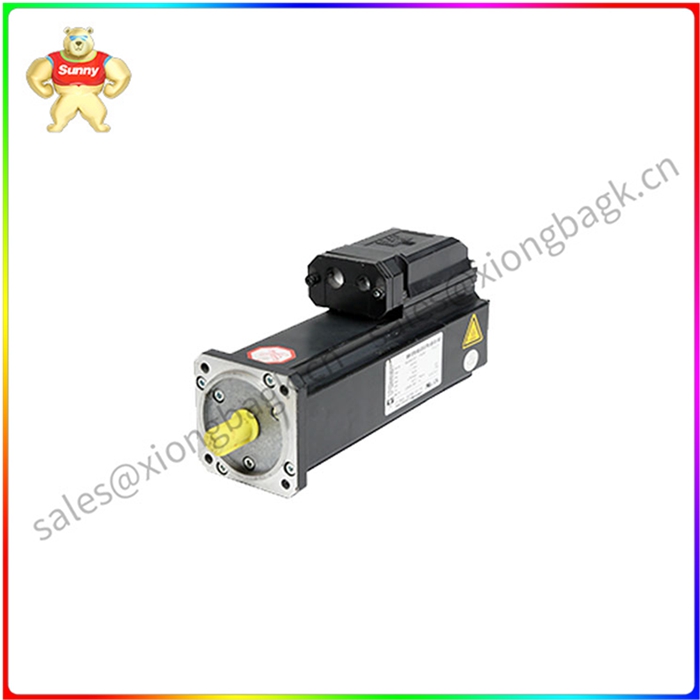
SM-100-30-080-P0-45-S1B1 伺服电动机 分散控制系统
SM-100-30-080-P0-45-S1B1伺服电机是安川电机的一款中惯性旋转伺服电机。它是 Sigma-7 系列交流伺服电机的一部分,专为广泛的应用而设计,包括:
机床
包装机械
印刷机械
纺织机械
Robotics
该 SM-100-30-080-P0-45-S1B1 额定转速为 3000 rpm 和额定扭矩 0.8 纳米。它还提供多种选项,包括:
制动
编码器
变速器
SM-100-30-080-P0-45-S1B1伺服电机的分散控制系统:
分散式控制系统(DCS)是一种控制系统,它将控制逻辑和决策分布在多个互连的设备或节点上。 在伺服电机的背景下,DCS可用于独立或相互协调地控制多个伺服电机。
将DCS用于SM-100-30-080-P0-45-S1B1伺服电机的好处:
提高灵活性和可扩展性:DCS允许更灵活和可扩展的控制系统,因为可以在不影响整体系统架构的情况下添加或删除单个伺服电机。
改进的容错能力:如果DCS中的一个节点发生故障,其余节点可以继续运行。与集中控制系统相比,提供冗余和改进的容错能力。
减少布线和复杂性:DCS 可以潜在地减少所需的布线量,由于单个伺服电机可以直接从附近的节点进行控制。
实时控制和优化:DCS可以实时监控和优化伺服电机性能,实现更高效、更灵敏的控制。
SM-100-30-080-P0-45-S1B1伺服电机的DCS示例:
SM-100-30-080-P0-45-S1B1 伺服电机的 DCS 示例可能涉及使用可编程逻辑控制器 (PLC) 网络来单独控制每个伺服电机。PLC将通过网络相互通信,如以太网或CAN总线,协调他们的动作并实现预期的控制目标。
总体而言,DCS 可以为控制 SM-100-30-080-P0-45-S1B1 伺服电机提供多项优势,包括提高灵活性、可扩展性、容错性和实时控制能力。
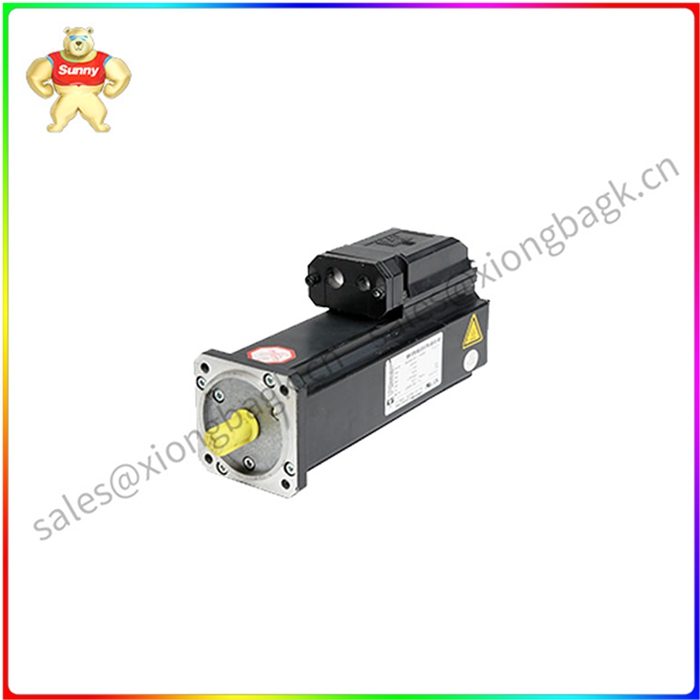
SM-100-30-080-P0-45-S1B1 伺服电动机 分散控制系统
SM-100-30-080-P0-45-S1B1 servo motor is a medium inertia rotary servo motor of Yaskawa Electric. It is part of the Sigma-7 series of AC servo motors and is designed for a wide range of applications including:
Machine tool
Packaging machinery
Printing machinery
Textile machinery
Robotics
The SM-100-30-080-P0-45-S1B1 is rated at 3000 rpm and rated torque at 0.8 nm. It also offers a variety of options, including:
immobilize
encoder
transmission
SM-100-30-080-P0-45-S1B1 servo motor Decentralized control system:
A distributed control system (DCS) is a control system that distributes control logic and decisions across multiple interconnected devices or nodes. In the context of servo motors, DCS can be used to control multiple servo motors independently or in coordination with each other.
Benefits of using DCS for SM-100-30-080-P0-45-S1B1 servo motors:
Increased flexibility and scalability: DCS allows for a more flexible and scalable control system, as individual servo motors can be added or removed without affecting the overall system architecture.
Improved fault tolerance: If one node in the DCS fails, the rest can continue to operate. Provides redundancy and improved fault tolerance compared to centralized control systems.
Reduced wiring and complexity: DCS can potentially reduce the amount of wiring required because individual servo motors can be controlled directly from nearby nodes.
Real-time control and optimization: DCS can monitor and optimize servo motor performance in real time for more efficient and sensitive control.
DCS Example of SM-100-30-080-P0-45-S1B1 servo motor:
A DCS example of an SM-100-30-080-P0-45-S1B1 servo motor might involve the use of a programmable logic controller (PLC) network to control each servo motor individually. PLCS will communicate with each other over a network, such as Ethernet or the CAN bus, coordinating their actions and achieving the desired control objectives.
Overall, DCS provides several advantages for controlling SM-100-30-080-P0-45-S1B1 servo motors, including increased flexibility, scalability, fault tolerance and real-time control capabilities.



 QQ在线客服