
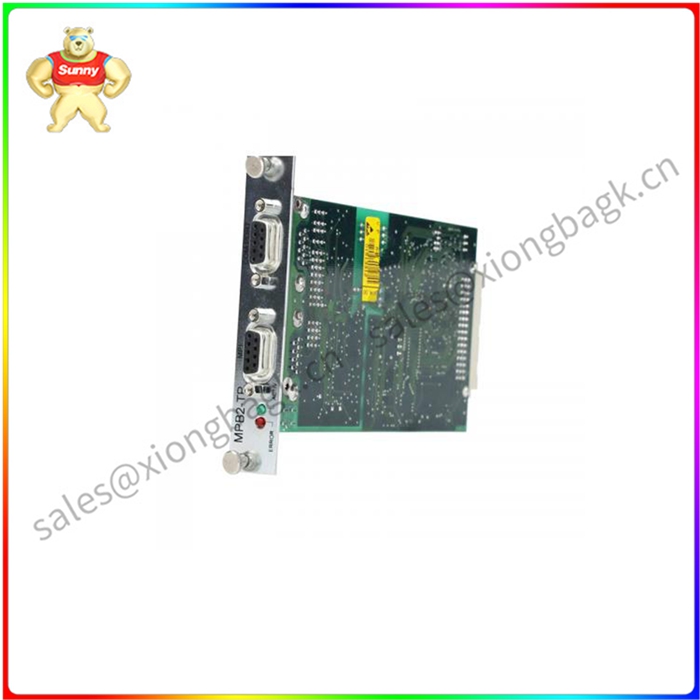
MPB2-TP 控制处理器模块
主要特点:
逻辑控制:MPB2-TP CPU 模块设计用于执行逻辑控制任务,使 IT 能够根据定义的规则和条件管理各种系统组件的行为。这种能力对于确保自动化系统的预期运行至关重要。
数据处理:该模块的处理能力使其能够处理数据采集,操纵和存储。它可以从传感器收集数据,执行计算,并存储处理后的数据以供进一步分析或决策。
通信接口:如以太网或串行端口,MPB2-TP 模块通常具有通信接口、使其能够交换数据并与其他控制系统进行交互,传感器和执行器。这种通信功能有助于将模块集成到更大的控制网络中。
可编程性:该模块通常支持使用各种编程语言或工具进行编程。这种可编程性允许用户自定义模块的行为,以满足特定的应用要求并实现复杂的控制算法。
可扩展性:一些 MPB2-TP CPU 模块提供可扩展性,允许用户通过添加或连接其他模块来扩展其控制功能。这种可扩展性使控制系统能够适应增长或不断变化的需求。
应用:
工业自动化:MPB2-TP CPU 模块广泛应用于工业自动化系统,包括制造、过程控制和装配线。 它用于控制机器、管理生产过程和优化资源利用率。
楼宇自动化:在楼宇管理系统中,该模块控制照明、供暖、通风和空调 (HVAC) 系统,以保持舒适的室内环境并提高能源效率。
电源控制:该模块用于电源控制系统,用于管理和调节电力分配。 它控制开关设备,监控系统参数,确保电网的稳定性和可靠性。
监控和诊断:MPB2-TP CPU 模块可用于通过收集传感器数据进行设备监控和诊断,分析趋势,并识别潜在故障。这种主动监控有助于防止故障并优化维护计划。
运输系统:该模块在运输系统中的应用,如交通控制系统和铁路信号系统,管理流量,确保安全,并优化运输效率。
好处:
增强的控制和自动化:MPB2-TP CPU 模块可实现对自动化系统的精 确高效控制,提高生产力,质量和安全。
改进的数据管理和分析:该模块的数据处理功能有助于数据收集,分析和决策,从而实现更好的流程优化和资源管理。
简化的系统集成:该模块的通信接口和可编程性简化了系统集成和定制,实现与现有控制网络的无缝集成,并适应特定要求。
可扩展性和面向未来:该模块的可扩展性允许将来扩展和适应不断变化的控制需求,确保长期价值和投资保护。
增强的监控和诊断:该模块的监控功能有助于及早发现潜在问题,防止故障,减少停机时间,以及优化维护成本。
考虑因素和挑战:
正确的系统设计和配置:确保正确的系统设计和配置,以匹配特定的控制要求和应用限制。
编程专业知识和安全:实施适当的编程实践和安全措施,以保护模块和整个系统免受未经授权的访问和网络攻击。
数据管理和集成:建立有效的数据管理策略和整合机制,确保数据完整性,可及性以及决策的利用。
维护和故障排除:实施定期维护程序并建立故障排除指南,以解决潜在问题并保持系统性能。
兼容性和升级:在升级或系统扩展期间确保与现有系统和通信协议的兼容性,以保持整体系统完整性。
总之,伊顿 MPB2-TP CPU 模块在实现高效可靠的控制方面发挥着至关重要的作用,数据处理以及工业自动化系统内的通信。
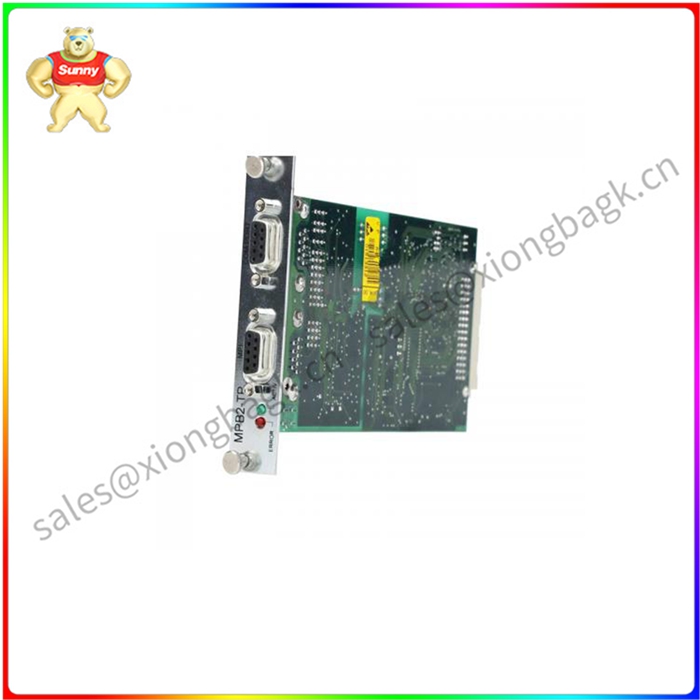
MPB2-TP 控制处理器模块
Main features:
Logical control: The MPB2-TP CPU module is designed to perform logical control tasks, enabling IT to manage the behavior of various system components according to defined rules and conditions. This capability is essential to ensure the intended operation of an automated system.
Data processing: The processing power of the module enables it to handle data acquisition, manipulation and storage. It can collect data from sensors, perform calculations, and store the processed data for further analysis or decision making.
Communication interfaces: such as Ethernet or serial ports, MPB2-TP modules usually have communication interfaces that enable them to exchange data and interact with other control systems, sensors and actuators. This communication capability helps integrate modules into a larger control network.
Programmability: This module typically supports programming using a variety of programming languages or tools. This programmability allows users to customize the module's behavior to meet specific application requirements and implement complex control algorithms.
Scalability: Some MPB2-TP CPU modules offer scalability, allowing users to extend their control functions by adding or connecting other modules. This scalability allows the control system to adapt to growing or changing needs.
Applications:
Industrial Automation: MPB2-TP CPU modules are widely used in industrial automation systems, including manufacturing, process control and assembly lines. It is used to control machines, manage production processes and optimize resource utilization.
Building Automation: In building management systems, this module controls lighting, heating, ventilation and air conditioning (HVAC) systems to maintain a comfortable indoor environment and improve energy efficiency.
Power Control: This module is used in the power control system to manage and regulate power distribution. It controls switchgear, monitors system parameters, and ensures the stability and reliability of the power grid.
Monitoring and diagnosis: The MPB2-TP CPU module can be used to monitor and diagnose devices by collecting sensor data, analyzing trends, and identifying potential faults. This proactive monitoring helps prevent failures and optimize maintenance schedules.
Transport systems: Applications of this module in transport systems, such as traffic control systems and railway signalling systems, manage flow, ensure safety, and optimise transport efficiency.
Benefits:
Enhanced control and automation: The MPB2-TP CPU module enables precise and efficient control of automation systems, improving productivity, quality and safety.
Improved data management and analysis: The module's data processing capabilities facilitate data collection, analysis and decision making, leading to better process optimization and resource management.
Simplified system integration: The module's communication interface and programmability simplify system integration and customization, enabling seamless integration with existing control networks and adapting to specific requirements.
Scalability and future-proof: The module's scalability allows future expansion and adaptation to changing control needs, ensuring long-term value and investment protection.
Enhanced monitoring and diagnostics: The module's monitoring capabilities help identify potential problems early, prevent failures, reduce downtime, and optimize maintenance costs.
Considerations and challenges:
Correct system design and configuration: Ensure correct system design and configuration to match specific control requirements and application constraints.
Programming expertise and security: Implement appropriate programming practices and security measures to protect modules and the entire system from unauthorized access and cyber attacks.
Data management and integration: Establish effective data management strategies and integration mechanisms to ensure data integrity, accessibility, and decision-making utilization.
Maintenance and troubleshooting: Implement regular maintenance procedures and establish troubleshooting guidelines to address potential issues and maintain system performance.
Compatibility and upgrades: Ensure compatibility with existing systems and communication protocols during upgrades or system expansions to maintain overall system integrity.
In summary, the Eaton MPB2-TP CPU module plays a vital role in enabling efficient and reliable control, data processing, and communication within industrial automation systems.



 QQ在线客服