
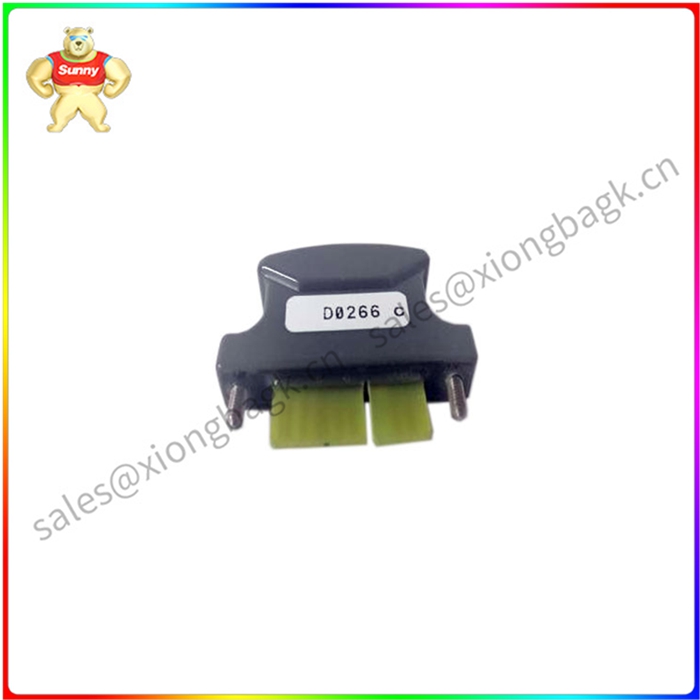
D138-002-001 伺服阀控制器 可以控制设备
D138-002-001 伺服阀控制器是一款多功能控制器,设计用于控制工业自动化应用中的各种设备和系统。 它是穆格运动控制系列产品的一部分,以其精度、可靠性和性能而闻名。
主要特点:
精 确的伺服阀控制: D138-002-001 控制器擅长精 确控制伺服阀,伺服阀是用于运动控制的液压系统中必不可少的部件。位置控制,和力控制应用。
高 级控制算法:控制器中嵌入了复杂的控制算法,可优化伺服阀性能,即使在不同的负载条件和干扰下也能实现精 确控制。
灵活的通信接口:D138-002-001 提供多种通信接口,为了促进与控制系统和更高 级别的网络的无缝集成,包括CAN总线,以太猫,和 Profibus DP。
定制模块化设计:控制器的模块化架构允许轻松扩展和定制,以满足各种应用的特定要求。这种适应性确保了针对每个独特需求的定制解决方案。
坚固耐用的结构,适用于恶劣环境:D138-002-001 设计用于承受恶劣的工业环境,承受极 端温度、振动和电气噪声。
D138-002-001 可以控制的设备和系统:
液压伺服系统:控制器主要用于控制液压伺服系统,实现对液压执行器、油缸和电机的精 确控制。
运动控制系统:在运动控制系统中,D138-002-001 在控制机器运动方面起着至关重要的作用,机器人以及其他具有高精度和响应能力的机械设备。
位置控制系统:对于位置控制应用,控制器确保物体的精 确定位,比如机床,机械臂,和操纵器。
力控制系统:在力控制应用中,D138-002-001 可精 确控制施加在物体上的力,例如在力敏感的装配任务或物料搬运操作中。
测试和模拟系统:控制器在测试和仿真系统中找到应用,提供对测试设备和模拟环境的精 确控制。
使用 D138-002-001 伺服阀控制器的好处:
增强的系统性能:D138-002-001 的精 确控制和高 级功能有助于提高系统性能,提高精度,重复性以及各种应用中的响应能力。
降低维护成本:精 确的控制和平稳的运行,zui大限度地减少了液压元件的磨损,从而降低维护成本并延长系统使用寿命。
提高能源效率:控制器的高效控制算法和高 级功能有助于提高液压系统的能源效率,降低功耗和运营成本。
灵活的集成可能性:多种通信接口和模块化设计可与各种控制系统和自动化网络无缝集成,确保兼容性和适应性。
可扩展性和定制性:模块化架构允许轻松扩展和定制,以满足不同应用的特定要求,为每个独特需求提供量身定制的解决方案。
zui佳实施的注意事项:
正确的系统配置:确保正确的系统配置和参数设置以匹配特定的伺服阀,液压系统,和应用要求,zui大限度地提高性能和效率。
液压系统设计:考虑液压系统的设计,包括流体类型等因素,流速,和压力等级,以确保兼容性和zui佳性能。
机械系统设计:考虑驱动系统的机械设计,包括惯性等因素,刚度和负载动力学,优化控制性能并防止潜在问题。
电气兼容性:确保驱动控制器之间的电气兼容性,伺服阀,电源和其他电气元件,以避免损坏或性能下降,保护整个系统。
通信协议集成:仔细地将控制器的通信协议与现有控制系统集成,以确保无缝数据交换并避免通信错误。
环境考虑因素:考虑工作温度范围,湿度和环境的振动水平来选择合适的控制器型号,确保在给定条件下实现zui佳性能。
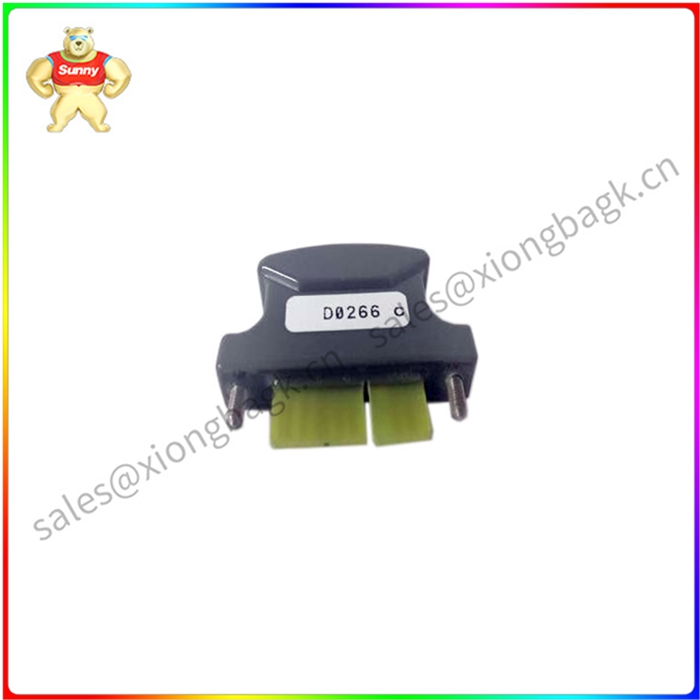
D138-002-001 伺服阀控制器 可以控制设备
The D138-002-001 servo valve controller is a multifunctional controller designed to control a wide range of equipment and systems in industrial automation applications. It is part of Moog's motion control family and is known for its accuracy, reliability and performance.
Main features:
Precise servo valve control: The D138-002-001 controller specializes in precise control of servo valves, which are essential components in hydraulic systems for motion control. Position control, and force control applications.
Advanced control algorithms: Sophisticated control algorithms are embedded in the controller to optimize servo valve performance and achieve precise control even under different load conditions and disturbances.
Flexible communication interface: The D138-002-001 offers a variety of communication interfaces to facilitate seamless integration with control systems and higher level networks, including the CAN bus, Ethernet Cat, and Profibus DP.
Custom modular design: The modular architecture of the controller allows for easy expansion and customization to meet the specific requirements of a variety of applications. This adaptability ensures a customized solution for each unique need.
Rugged construction for harsh environments: The D138-002-001 is designed to withstand harsh industrial environments and withstand extreme temperatures, vibration and electrical noise.
D138-002-001 can control the equipment and systems:
Hydraulic servo system: The controller is mainly used to control the hydraulic servo system to achieve accurate control of the hydraulic actuator, cylinder and motor.
Motion control systems: In motion control systems, D138-002-001 plays a vital role in controlling the movement of machines, robots, and other mechanical equipment with high precision and responsiveness.
Position control systems: For position control applications, controllers ensure the precise positioning of objects, such as machine tools, robotic arms, and manipulators.
Force control systems: In force control applications, the D138-002-001 provides precise control of the forces applied to objects, such as in force-sensitive assembly tasks or material handling operations.
Test and simulation systems: Controllers find applications in test and simulation systems, providing precise control over test equipment and simulation environments.
Benefits of using D138-002-001 servo valve controller:
Enhanced system performance: The D138-002-001's precise control and advanced features help improve system performance, improve accuracy, repeatability, and responsiveness in a variety of applications.
Reduced maintenance costs: Precise control and smooth operation minimize wear on hydraulic components, thereby reducing maintenance costs and extending system life.
Improve energy efficiency: The controller's efficient control algorithms and advanced features help improve the energy efficiency of hydraulic systems, reducing power consumption and operating costs.
Flexible integration possibilities: Multiple communication interfaces and modular design seamlessly integrate with various control systems and automation networks, ensuring compatibility and adaptability.
Scalability and customization: The modular architecture allows for easy scaling and customization to meet the specific requirements of different applications, providing a tailored solution for each unique need.
Best implementation considerations:
Correct system configuration: Ensure correct system configuration and parameter Settings to match specific servo valves, hydraulic systems, and application requirements to maximize performance and efficiency.
Hydraulic system design: Consider the design of the hydraulic system, including factors such as fluid type, flow rate, and pressure rating to ensure compatibility and optimal performance.
Mechanical system design: Consider the mechanical design of the drive system, including factors such as inertia, stiffness and load dynamics, to optimize control performance and prevent potential problems.
Electrical compatibility: Ensure electrical compatibility between drive controllers, servo valves, power supplies and other electrical components to avoid damage or performance degradation and protect the entire system.
Communication Protocol integration: The controller's communication protocol is carefully integrated with the existing control system to ensure seamless data exchange and avoid communication errors.
Environmental considerations: Consider the operating temperature range, humidity and ambient vibration levels to select the right controller model to ensure optimal performance under the given conditions.



 QQ在线客服