
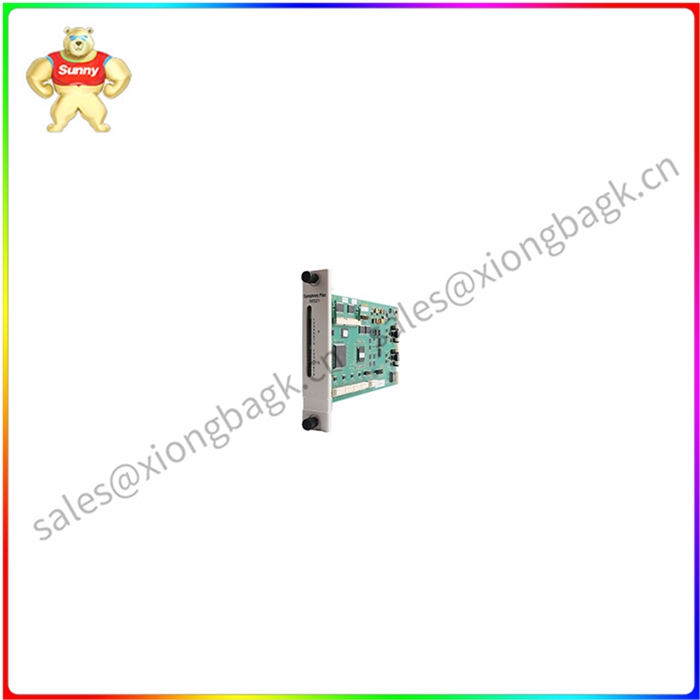
SPNIS21 网络接口模块
SPNIS21网络接口模块是设计用于ABB Symphony Plus控制系统的组件,可实现控制系统与各种现场设备和上级监控系统之间的通信和数据传输。 它充当控制系统网络和外部设备之间的桥梁。
主要特点:
网络接口:SPNIS21模块提供网络接口,通常为以太网或 Profibus DP,允许控制系统连接到网络并与其他设备交换数据。
数据传输:该模块有助于控制系统和外部设备之间的数据传输, including sensors,驱动器和其他控制单元。)之间的数据传输。
协议支持:SPNIS21模块可以支持各种通信协议,例如Modbus TCP/IP或Profibus DP,确保与各种设备兼容。
诊断:该模块可以包含诊断功能来监控其运行状况,检测通信错误,并便于故障排除。
应用:
SPNIS21网络接口模块适用于各种工业环境中的应用,在这些环境中,通信和数据交换对于控制和监控至关重要:
过程控制:在各种实现传感器之间的通信,驱动器以及各种过程工业中的控制器,如化工,)食品和饮料,和制药。和控制器之间的通信。
制造自动化:将生产机械、装配线和物料搬运系统互连,以实现协调操作和控制。
楼宇自动化:连接暖通空调系统、照明、安全和门禁设备,以实现集中管理和监控。
能源管理:促进能源生产、分配和消耗系统之间的数据交换,以实现优化和效率。
运输系统:实现交通控制系统、铁路信号设备和车辆传感器之间的通信,以实现安全高效的运输。
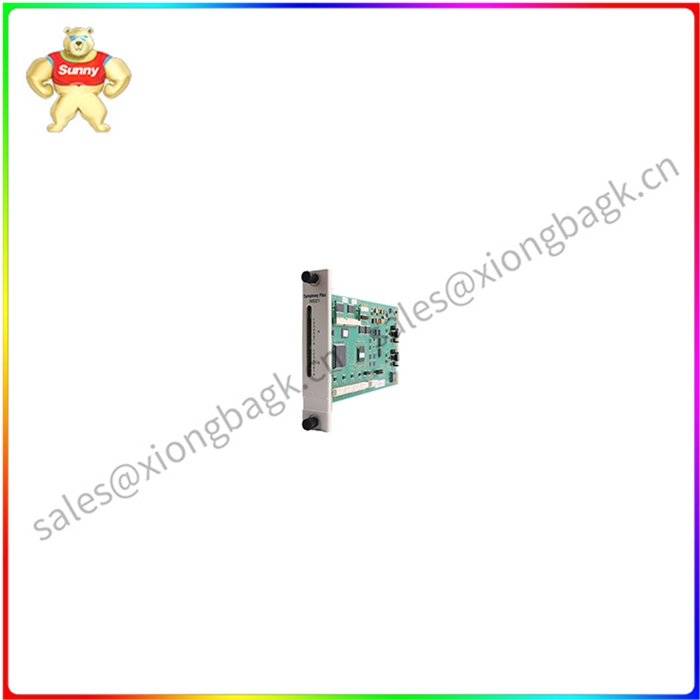
SPNIS21 网络接口模块
The SPNIS21 network interface module is a component designed for the ABB Symphony Plus control system that enables communication and data transfer between the control system and various field equipment and superior monitoring systems. It acts as a bridge between the control system network and external devices.
Main features:
Network interface: The SPNIS21 module provides a network interface, usually Ethernet or Profibus DP, that allows the control system to connect to the network and exchange data with other devices.
Data transfer: This module facilitates the transfer of data between the control system and external devices, including sensors, drives and other control units.) Data transfer between.
Protocol support: The SPNIS21 module can support various communication protocols, such as Modbus TCP/IP or Profibus DP, ensuring compatibility with various devices.
Diagnostics: The module can contain diagnostic functions to monitor its health, detect communication errors, and facilitate troubleshooting.
Applications:
The SPNIS21 network interface module is suitable for applications in a variety of industrial environments where communication and data exchange are essential for control and monitoring:
Process control: Implements communication between sensors, actuators, and controllers in various process industries, such as chemical,) food and beverage, and pharmaceutical. Communication with the controller.
Manufacturing automation: Interconnect production machinery, assembly lines, and material handling systems for coordinated operation and control.
Building automation: Connect HVAC systems, lighting, security and access control equipment for centralized management and monitoring.
Energy Management: Facilitate the exchange of data between energy production, distribution and consumption systems for optimization and efficiency.
Transport systems: Enable communication between traffic control systems, rail signalling equipment and vehicle sensors for safe and efficient transport.



 QQ在线客服